Mon 19 Jan 2026,

Future of Safety

We often talk about the “future of safety” – drones, wearables, and predictive analytics. But for many of us on the ground, the gap between talking about these tools and using them feels massive.

This week, I want to bridge that gap. Google has recently unified its learning resources into a single hub called Google Skills (skills.google).

You might think, “I’m a Safety Officer or a Manager, not a Software Engineer. Why do I need this?”
The answer is leverage. We have more safety data than ever before, but fewer hours in the day to analyse it. These skills aren’t about learning to code; they are about learning to automate the administrative burden so you can spend more time in the field, influencing culture.

Here are three practical ways you can use these free tools to upgrade your HSE game immediately.
1. The “Safety Admin” Assistant (Generative AI)
The Problem:
We spend 40% of our week drafting documents: Tool Box Talks, Method Statements, accident investigation summaries, and monthly reports. It’s necessary, but it keeps us behind a desk.
The Practical Use Case:
Imagine feeding a raw, messy paragraph of notes from a site inspection into an AI and getting a polished, formatted “Safety Observation Report” in 30 seconds.
* Action: You can use tools like Gemini or ChatGPT to draft a “5-Point Safety Alert” based on a recent near-miss incident.
* The Skill Needed: You need to understand “Prompt Engineering” – the art of asking the AI the right question to get a reliable, non-hallucinated safety output.
Recommended Free Course:
* Course: Introduction to Generative AI
* Time: ~45 Minutes
* Cost: Free
* Link: Introduction to Generative AI (skills.google)
* What you learn: How AI generates text/images and how to control it.

2. From “Rear-View” to “Predictive” Safety (Data Analytics)
The Problem:
We are great at recording what went wrong after an accident (lagging indicators). We struggle to spot the hidden patterns in our “Near Miss” data that tell us where the next accident will happen (leading indicators).
The Practical Use Case:
Instead of a static Excel sheet, imagine a live dashboard that automatically turns red when a specific work zone reports three near-misses in one week.
* Action: Use data analysis techniques to clean our raw incident logs and create a “Heat Map” of hazards on our site.
* The Skill Needed: Moving beyond basic Excel formulas to understanding Data Cleaning and Visualization.
Recommended Course:
* Course: Google Data Analytics Professional Certificate (Audit Mode)
* Time: Self-paced (The first module “Foundations: Data, Data, Everywhere” is excellent for beginners)
* Cost: Free to Audit (You can view videos/readings for free; the certificate costs money).
* Link: Google Data Analytics on Coursera (Google Data Analytics Professional Certificate | Coursera https://www.coursera.org/professional-certificates/google-data-analytics)
* Tip: When you click “Enroll”, look for the small “Audit the course” link to access it for free.

3. Understanding Smart Safety Systems (Large Language Models)
The Problem:
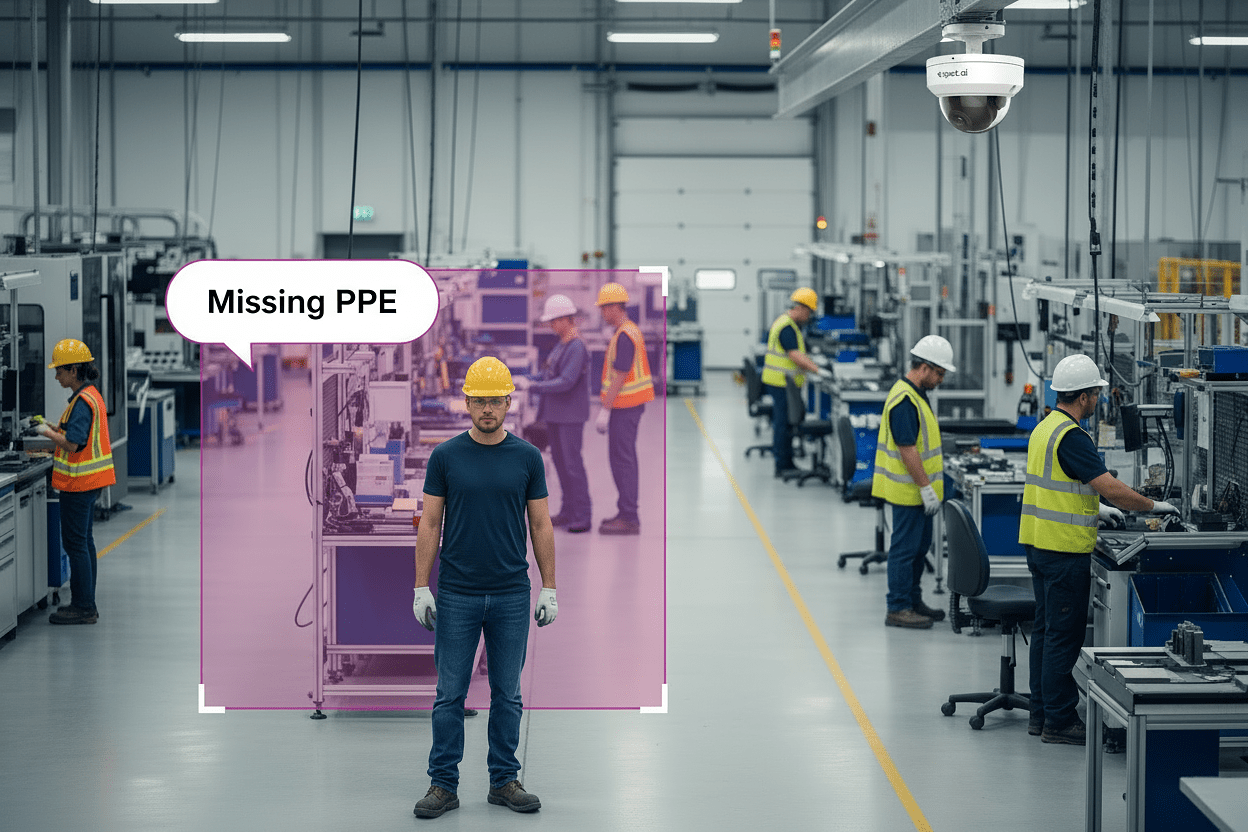
Your company wants to buy a “Smart CCTV” system that claims to detect workers not wearing PPE. The vendor uses buzzwords like “LLMs” and “Computer Vision,” and you need to know if their product actually works or if it’s just marketing hype.
The Practical Use Case:
You need to be an informed buyer. Understanding how these models “learn” helps you ask the hard questions: “Does this camera system recognize a hard hat in low light? What data was it trained on?”
* The Skill Needed: Tech Literacy. You don’t need to build the camera, but you must understand its limitations to risk-assess it properly.
Recommended Free Course:
* Course: Introduction to Large Language Models
* Time: ~1 Hour
* Cost: Free
* Link: Introduction to Large Language Models (skills.google).

Summary
How to Start This Week…?
You don’t need a PhD in Computer Science to future-proof your career. You just need curiosity.
* Go to skills.google.
* Sign in with your standard Google account.
* Click on the “Introduction to Generative AI” course.
* Spend 45 minutes on it during your next lunch break.

It’s a small investment of time that pays dividends in how efficiently you manage safety.

Note:
All previous AI Friday capsules are uploaded in our website https://jabharathsefoundation.org/artificial-intelligence-ai-tools-in-hse/

J&A Bharat HSE Foundation / Safety Engineers Association  collaborating SEA HSE Awards 2025 | awardsearesponse@gmail.com...