This week, let’s explore Julius AI for HSE data analysis. Julius AI is a freemium tool.
We collect a lot of safety data. Near-miss logs, audit findings, training records, PTW observations, inspection sheets, action trackers. But many times, the data stays inside Excel files and folders.
That is where Julius AI looks useful.
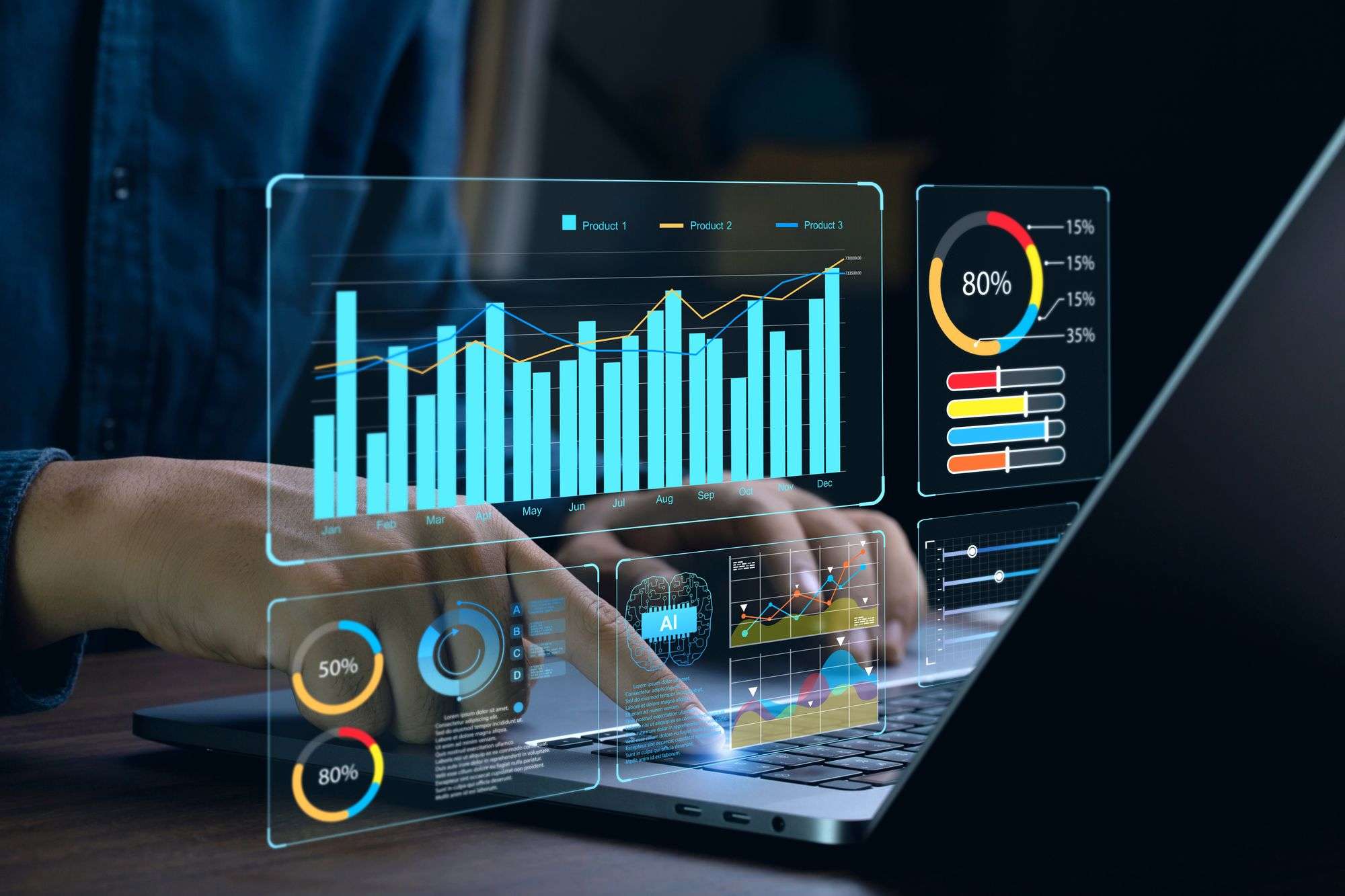
Julius AI is a conversational data analysis tool. We can upload spreadsheets or connect data sources, ask questions in simple language, and get back charts, summaries, and reports without needing SQL or Python. Julius also supports notebooks and recurring analysis, which can help teams review the same safety metrics regularly.
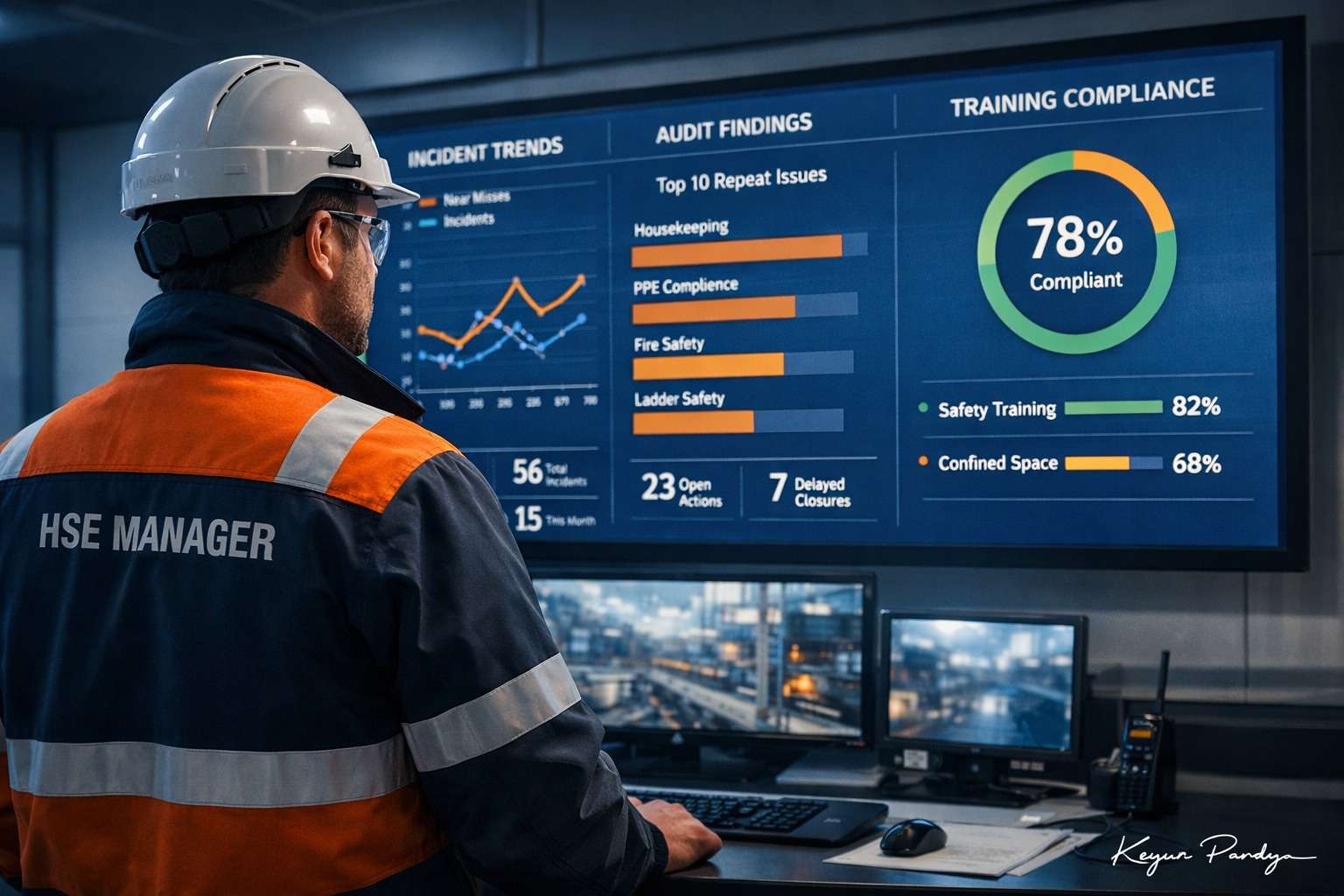
For HSE professionals, this can be practical in three simple ways: 1) Near-miss and incident trend review We can upload one year of incident or near-miss data and ask: “Show monthly trend by department” “Which location has the highest repeat cases?” “Which type of unsafe act is rising?” This helps us move faster from raw data to discussion in review meetings.
2) Audit and inspection follow-up We can use Julius to study recurring findings, delayed action closures, and common gaps across sites. For example: Upload the audit tracker Ask for top 10 repeated findings Ask which departments close actions late Generate a chart for management review That can save a lot of manual sorting and filtering.
3) Training and compliance tracking We can upload a training matrix and ask: “Who is overdue for refresher training?” “Which high-risk roles have low completion?” “Show site-wise compliance percentage” This can help supervisors and HSE leads focus on gaps before they become incidents.
What I like is that this tool is more about understanding safety data quickly than building heavy dashboards from scratch. What we should remember is that it still depends on structured and reasonably clean data. It can support our judgment, but it cannot replace field verification, site exposure understanding, or leadership presence. Julius itself positions the tool around structured business data, conversational analysis, and repeatable reporting rather than complex field decision-making.
So, from an HSE point of view, we can use Julius AI for: – monthly safety review dashboards – contractor performance comparison – recurring audit trend analysis – training compliance summaries – management reporting with faster visuals
For supervisors and auditors, this means less time making manual charts. For managers, this means quicker visibility of weak signals and repeat issues.
For NEBOSH, ASP, CSP aspirants, this can also be a smart practice tool to study how incident data, exposure trends, and compliance records can be interpreted in real workplace scenarios.